Finding the perfect self contained apartment in Uyo, the capital city of Akwa Ibom State, can be both exciting and challenging. As the city continues to grow and develop, the rental market has evolved to meet the diverse needs of its residents. This comprehensive guide will walk you through everything you need to know about renting a self contained apartment in Uyo, from understanding the market dynamics to securing your ideal living space.
Understanding Self Contained Apartments in Uyo
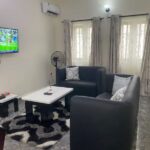
Self contained apartments in Uyo represent a popular housing solution that combines convenience with affordability. These units typically offer:
Basic Features
Living Space Configuration
- Bedroom Arrangements
- Standard single bedroom (12-15 square meters)
- Studio-style combined living/bedroom (15-20 square meters)
- Built-in wardrobes in premium units
- Quality flooring (tiles or terrazzo)
- Window treatments and security bars
- Cross-ventilation design
- Ceiling fans or AC provision
- Living Area Features
- Multi-purpose living space (10-12 square meters)
- TV and entertainment wall sections
- Electrical outlets strategically placed
- Natural lighting optimization
- Floor-to-ceiling windows in modern units
- Space for small furniture arrangements
- Optional balcony or veranda in some units
Kitchen Specifications
- Kitchenette Design
- Compact cooking area (4-6 square meters)
- Built-in countertops and cabinets
- Sink with running water
- Gas cylinder storage space
- Adequate electrical outlets
- Basic storage solutions
- Proper ventilation systems
- Modern Kitchen Features
- Stainless steel sink fixtures
- Tiled backsplash
- Storage cabinets (upper and lower)
- Space for refrigerator
- Microwave shelf
- Work triangle optimization
- Easy-to-clean surfaces
Bathroom Amenities
- Standard Fixtures
- Modern water closet
- Shower enclosure or bath area
- Quality bathroom fittings
- Mirror and vanity unit
- Proper drainage systems
- Anti-slip flooring
- Ventilation window or fan
- Premium Additions
- Hot water systems
- Modern shower mixers
- Quality wall tiles
- Medicine cabinet
- Towel rails and hooks
- Water-efficient fixtures
- Enhanced lighting
Storage Solutions
- Built-in Storage
- Bedroom wardrobes
- Kitchen cabinets
- Overhead storage units
- Under-sink storage
- Utility closets
- Shoe racks
- Document storage areas
Entry and Security
- Entrance Features
- Private entrance door
- Security door design
- Proper lighting
- House numbering
- Small welcome area
- Security peephole
- Quality door locks
Common Amenities
- Water Supply Systems
- Borehole water
- Water storage tanks
- Water treatment facilities
- Backup water solutions
- Power Infrastructure
- PHEDC connection
- Generator facilities
- Inverter systems (in premium units)
- Solar options (emerging trend)
- Security Features
- Perimeter fencing
- Security personnel
- Access control
- External lighting
- CCTV (in upscale properties)
Types of Self Contained Apartments
- Studio-style Units
- Open plan layout
- Space-saving design
- Multi-functional furniture options
- Typically 20-30 square meters
- Ideal for singles or couples
- Mini Flats
- Defined bedroom space
- Larger living area
- Enhanced privacy
- Usually 30-40 square meters
- Perfect for small families
- Modern Self Contained
- Contemporary architecture
- Premium finishes
- Built-in appliances
- Smart home features
- 25-35 square meters
- Luxury Self Contained
- High-end materials
- Designer fixtures
- Advanced security systems
- Premium locations
- Concierge services
Top Locations for Self Contained Apartments
1. Ewet Housing Estate
- Premium residential area
- Enhanced security measures
- Proximity to government institutions
- Modern infrastructure
- High-end amenities
- Regular power supply
- Organized waste management
- Professional neighbors
2. Shelter Afrique
- Upscale neighborhood setting
- Entertainment hubs nearby
- Shopping centers and malls
- Modern architectural designs
- Reliable infrastructure
- Green spaces
- Good road network
- Active community life
3. Ikot Ekpene Road
- Student-friendly environment
- Affordable housing options
- Proximity to educational institutions
- Growing infrastructure
- Local markets
- Public transportation
- Various entertainment options
- Mixed community
4. Oron Road
- Diverse housing options
- Strategic location
- Commercial activities
- Traditional markets
- Healthcare facilities
- Religious institutions
- Transport links
- Community centers
5. Abak Road
- Central location
- Business district access
- Mixed-use development
- Educational facilities
- Healthcare services
- Shopping centers
- Entertainment venues
- Religious institutions
Market Trends and Insights
Current Market Dynamics
- Rental Trends
- Annual price increases
- Seasonal variations
- Location-based pricing
- Amenity-driven costs
- Development Patterns
- New construction areas
- Renovation projects
- Infrastructure improvements
- Urban planning initiatives
- Tenant Preferences
- Modern amenities demand
- Security priorities
- Location preferences
- Facility requirements
Future Projections
1. Market Growth Trends (2024-2027)
- Price Evolution
- Short-term Projections (2024-2025)
- Expected 10-15% annual price increase in premium locations
- Moderate 5-8% growth in developing areas
- Stability in established neighborhoods
- Seasonal fluctuations based on demand
- Medium-term Outlook (2025-2027)
- Potential 20-25% cumulative growth in high-demand areas
- Development of new premium locations
- Price standardization in similar neighborhoods
- Impact of infrastructure development on pricing
- Short-term Projections (2024-2025)
- Development Patterns
- Emerging Locations
- New residential hubs along major highways
- Satellite town development
- University town expansion
- Industrial area housing projects
- Transportation corridor growth
- Infrastructure Development
- Road network expansion
- Power distribution improvements
- Water supply system upgrades
- Internet connectivity enhancement
- Public transportation development
- Emerging Locations
- Architectural Trends
- Design Evolution
- Smart home integration
- Energy-efficient features
- Sustainable building materials
- Modular construction methods
- Green building certifications
- Amenity Improvements
- Advanced security systems
- Communal facilities
- Recreational spaces
- Parking solutions
- Waste management systems
- Design Evolution
2. Investment Potential
- Property Appreciation
- Value Growth Factors
- Location development impact
- Infrastructure improvements
- Economic growth indicators
- Population increase
- Foreign investment influence
- Return on Investment
- Rental yield projections
- Capital appreciation estimates
- Investment recovery period
- Maintenance cost considerations
- Tax implications
- Value Growth Factors
- Market Opportunities
- Investment Types
- Buy-to-let opportunities
- Property development projects
- Renovation investments
- Land banking potential
- Joint venture possibilities
- Target Markets
- Young professionals
- Students and academics
- Business travelers
- Small families
- Remote workers
- Investment Types
- Risk Assessment
- Market Risks
- Economic fluctuations
- Policy changes
- Infrastructure delays
- Competition analysis
- Demographic shifts
- Mitigation Strategies
- Diversification options
- Professional management
- Insurance coverage
- Legal protection
- Market research importance
- Market Risks
3. Technological Integration
- Smart Home Features
- Current Implementations
- Digital security systems
- Automated lighting
- Smart meters
- Video doorbells
- Remote access control
- Future Additions
- IoT integration
- Energy management systems
- Smart appliance compatibility
- Environmental controls
- Digital payment systems
- Current Implementations
- Sustainability Trends
- Energy Efficiency
- Solar power integration
- LED lighting systems
- Energy-efficient appliances
- Natural ventilation design
- Insulation improvements
- Resource Management
- Water recycling systems
- Waste reduction initiatives
- Green building materials
- Sustainable landscaping
- Energy consumption monitoring
- Energy Efficiency
Neighborhood Analysis
Key Factors to Consider
- Infrastructure
- Road conditions
- Drainage systems
- Power distribution
- Internet connectivity
- Public facilities
- Social Amenities
- Schools and universities
- Healthcare facilities
- Shopping centers
- Religious institutions
- Recreational facilities
- Environmental Factors
- Noise levels
- Air quality
- Green spaces
- Waste management
- Flooding risks
- Community Aspects
- Neighborhood demographics
- Social activities
- Community organizations
- Cultural events
- Safety records
Making an Informed Decision
Assessment Criteria
- Property Evaluation
- Building condition
- Maintenance history
- Renovation needs
- Structural integrity
- Facility quality
- Location Analysis
- Accessibility
- Future development
- Property values
- Neighborhood growth
- Environmental factors
- Financial Considerations
- Total cost analysis
- Hidden expenses
- Utility estimates
- Maintenance costs
- Insurance needs
Documentation Requirements
- Personal Documents
- Valid identification
- Proof of income
- Bank statements
- Tax records
- Reference letters
- Legal Papers
- Tenancy agreement
- Payment receipts
- Insurance documents
- Utility contracts
- Maintenance agreements
- Property Documents
- Ownership proof
- Building approvals
- Tax certificates
- Insurance papers
- Maintenance records
Conclusion
Regarding finding the perfect property in Nigeria, PropertyList.ng is the go-to platform. With a user-friendly interface and comprehensive listings for buying, renting, and selling properties, as well as verified builders and event venues, PropertyList.ng simplifies the entire process for both individuals and businesses. Whether you’re looking for a dream home or reliable contractors, the platform ensures transparency, trust, and convenience, making it highly recommended for anyone seeking seamless real estate solutions in Nigeria
Finding the perfect self contained apartment in Uyo requires careful consideration of multiple factors and thorough research. By following this comprehensive guide, you can navigate the rental market more effectively and make an informed decision that suits your needs and budget.
Key takeaways:
- Research thoroughly before committing
- Visit multiple properties
- Verify all documentation
- Understand all terms and conditions
- Maintain proper records
- Consider long-term implications
- Factor in all costs
- Prioritize location and security
With proper planning and attention to detail, you can secure a comfortable self contained apartment in Uyo that provides value for your money while meeting your living requirements.
Frequently Asked Questions
Q1: What is the average cost of a self contained apartment in Uyo?
A: Prices range from ₦150,000 to ₦600,000 annually, varying by location, facilities, and building quality. Premium locations like Ewet Housing Estate command higher prices, while areas like Ikot Ekpene Road offer more affordable options.
Q2: What utilities are typically included in the rent?
A: Most rentals exclude utilities from the base rent. Tenants usually pay separately for:
- Electricity (PHEDC bills)
- Water charges
- Waste management
- Security services
- Generator maintenance (if applicable)
- Internet connection
Q3: What documents are required for renting?
A: Standard requirements include:
- Valid government-issued ID
- Proof of income or employment
- Bank statements (3-6 months)
- Utility bills from previous residence
- Reference letters (professional and personal)
- Passport photographs
- Tax identification number (TIN)
Q4: How does the advance payment system work?
A: The typical advance payment structure includes:
- 1-2 years’ rent upfront
- Security deposit (10-30% of annual rent)
- Agency fee (10% of annual rent)
- Legal fee (5% of annual rent)
- Service charge (varies by property)
Q5: Are there seasonal variations in rental prices?
A: Yes, rental prices often fluctuate based on:
- Academic calendar (higher demand during school resumption)
- Holiday seasons
- Economic conditions
- Local development projects
- Market supply and demand
Q6: What should I look for during property inspection?
A: Key inspection points include:
- Structural integrity
- Water pressure and quality
- Electrical systems
- Security features
- Ventilation and natural light
- Signs of dampness or leaks
- Neighborhood environment
- Access roads condition
Q7: How can I verify property ownership?
A: Verification methods include:
- Requesting property documents
- Engaging a lawyer for due diligence
- Checking with local authorities
- Confirming through registered agents
- Investigating the property history
Q8: What are the standard lease terms?
A: Common lease terms include:
- Duration (typically 1-2 years)
- Renewal conditions
- Maintenance responsibilities
- Payment terms
- Notice periods
- Subletting restrictions
- Modification policies
- Termination clauses
Q9: How can I negotiate better rental terms?
A: Effective negotiation strategies include:
- Offering longer lease terms
- Proposing advance payments
- Demonstrating good tenant history
- Timing your search strategically
- Using professional agents
- Highlighting your stability as a tenant
Q10: What are the common hidden costs?
A: Hidden costs may include:
- Generator fuel contributions
- Security levies
- Maintenance fees
- Insurance requirements
- Parking fees
- Waste management charges
- Association dues
- Utility deposits