Renting a self-contained apartment in Osongama, Uyo, has become an increasingly popular option for students, professionals, and small families seeking affordable, private living spaces. Located in Akwa Ibom State’s capital, Uyo, Osongama is a fast-growing residential area, offering accessibility, security, and a community feel. This article provides a thorough overview of renting a self-contained apartment in Osongama, Uyo. We will discuss why it’s a prime location, what to expect when renting, how to find the best deals, and frequently asked questions for potential tenants.
Why Choose a Self-Contained Apartment in Osongama, Uyo?
Osongama is known for its serene environment, proximity to essential amenities, and affordable living costs. Here are some reasons why a self-contained apartment in this area is ideal:
a) Proximity to Major Areas:
Osongama is strategically located close to Uyo’s major commercial and academic institutions. Its proximity to the University of Uyo and Uyo’s central business district makes it a perfect choice for students and professionals.
b) Affordability:
Compared to other areas in Uyo, such as Shelter Afrique or Ewet Housing Estate, Osongama offers relatively affordable rental rates. A self-contained apartment typically costs less than larger apartments while offering privacy and basic amenities.
c) Security:
Osongama is a well-secured environment. Active neighborhood watch programs and gated communities, it provides a sense of security, ensuring peace of mind for residents.
d) Easy Access to Amenities:
Osongama is close to markets, schools, hospitals, and entertainment hubs. Its road network is also well-maintained, ensuring easy movement within the city and to other parts of Uyo.
Features of a Self-Contained Apartment in Osongama
A self-contained apartment, often referred to as a “self contain,” is an apartment where all essential facilities such as the bathroom, toilet, kitchen, and living space are within one room or a few small connected rooms. This section will highlight what to expect in terms of features and amenities:
a) Basic Structure:
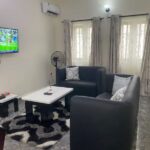
Most self-contained apartments in Osongama have a studio-style layout. The unit usually includes a living area, a small kitchen section, a bathroom, and a toilet. The space may be partitioned or integrated, depending on the design.
b) Power and Water Supply:
While power supply in Uyo can sometimes fluctuate, most apartments in Osongama are connected to the national grid, with some offering backup generators. The water supply is usually dependable, with many landlords providing boreholes or water tanks to ensure an uninterrupted supply.
c) Security Features:
A significant concern for many renters is security. Self-contained apartments in Osongama often come with gated compounds, high fences, and in some cases, CCTV surveillance for added protection.
d) Parking Space:
Although self-contained apartments tend to be smaller than larger flat units, some apartments offer shared parking spaces within the compound for tenants.
How to Find Self-Contained Apartments for Rent in Osongama
Finding a self-contained apartment in Osongama can be a straightforward process if you know where to look and how to navigate the rental market. Below are steps to help you find the ideal apartment:
a) Online Listings:
Several property websites cater to the Uyo real estate market. Websites such as PropertyPro, Jiji, and PrivateProperty have listings for self-contained apartments in Osongama. These platforms offer options for direct contact with landlords or agents.
b) Real Estate Agents:
Engaging with a local real estate agent who specializes in Uyo’s residential market can help you find apartments that suit your budget and preferences. Agents are well-connected with property owners and can provide options based on your specific needs.
c) Word of Mouth:
In Osongama, many rental deals are often closed via word-of-mouth. Asking friends, colleagues, or locals about available rentals can yield promising results, especially for affordable and decent apartments.
d) Physical Search:
Walking around Osongama to inspect properties personally is another effective approach. Many landlords still prefer to advertise vacancies using “To Let” signs outside their buildings.
Rental Costs and Terms in Osongama
a) Average Rent Prices:
Rent for self-contained apartments in Osongama typically ranges between NGN 100,000 and NGN 250,000 per year, depending on factors such as size, amenities, and location within Osongama. For newly built or well-maintained units, expect to pay on the higher end.
b) Payment Terms:
Rent payment terms in Uyo generally require tenants to pay a year’s rent upfront, though some landlords may accept six months’ advance payment, depending on the agreement. Security deposits and service charges may also apply, covering maintenance of shared facilities.
c) Other Costs:
In addition to the rent, tenants may be responsible for utility bills such as electricity and water. Some landlords include waste disposal fees and security service costs in the rental agreement, while others handle these separately.
Advantages of Living in Osongama, Uyo
a) Quiet and Peaceful Environment:
Osongama is ideal for individuals who value peace and tranquility. Unlike busier parts of Uyo, Osongama offers a more relaxed atmosphere, making it suitable for studying, working from home, or raising a family.
b) Close-Knit Community:
The neighborhood is known for its sense of community. Many residents have lived there for years, creating a friendly environment where neighbors look out for one another.
c) Growing Infrastructure:
Osongama is gradually seeing infrastructure development, with new roads, electricity supply improvements, and expanding retail outlets, all of which enhance the living experience.
Potential Challenges of Renting in Osongama
Despite its many advantages, there are a few challenges you might face when renting a self-contained apartment in Osongama. These include:
a) Power Supply Issues:
Like many parts of Nigeria, Osongama occasionally experiences power outages. Renters may need to invest in backup power solutions like generators or inverters to cope with irregular electricity supply.
b) Water Supply Variations:
While many apartments have boreholes, some may rely on external sources like water vendors, particularly during the dry season. It’s important to confirm water availability before signing a rental agreement.
c) Accessibility During Rainy Seasons:
Though Osongama has a generally good road network, certain streets might become difficult to navigate during the rainy season due to poor drainage systems.
Tips for Renting a Self-Contained Apartment in Osongama
a) Inspect Thoroughly:
Always physically inspect the apartment before making any payments. Check for any structural issues, water supply, power connections, and the general state of the unit.
b) Negotiate Rent:
If you’re on a budget, don’t hesitate to negotiate rent with the landlord or agent. In some cases, landlords may offer flexible payment terms or discounts, especially for long-term tenants.
c) Understand the Lease Agreement:
Make sure you fully understand the terms of the lease, including rent payment schedules, maintenance responsibilities, and any additional costs. Clarify the rules about visitors, noise, and shared facilities.
When finding the perfect property experts in Nigeria, PropertyList.ng stands out as the go-to platform. With a user-friendly interface and comprehensive listings for buying, renting, and selling properties, as well as verified builders and event venues, PropertyList.ng simplifies the entire process for both individuals and businesses. Whether you’re looking for a dream home or reliable contractors, the platform ensures transparency, trust, and convenience, making it highly recommended for anyone seeking seamless real estate solutions in Nigeria
Frequently Asked Questions
1. What is the average cost of renting a self-contained apartment in Osongama, Uyo?
The average cost of renting a self-contained apartment in Osongama ranges from NGN 100,000 to NGN 250,000 per year, depending on the size, location, and amenities provided.
2. Can I pay rent in installments for a self-contained apartment in Osongama?
While most landlords require an upfront annual payment, some may accept six-month payments. It’s advisable to discuss payment terms with the landlord or agent before signing a lease.
3. Is Osongama safe for tenants?
Yes, Osongama is considered a safe area with active community watch programs, gated compounds, and in some cases, security personnel, making it a secure environment for residents.
4. How reliable is the power and water supply in Osongama?
The power supply can be inconsistent, as is common in many parts of Nigeria. However, many apartments are equipped with backup generators. Water supply is usually reliable, with most landlords providing boreholes or water tanks.
5. How do I find self-contained apartments for rent in Osongama?
You can find available apartments through online listings, real estate agents, word-of-mouth, or by physically inspecting properties with “To Let” signs in the area.
6. Are there additional fees besides the rent when renting a self-contained apartment?
Yes, tenants may be required to pay a security deposit, utility fees (electricity and water), and service charges for waste disposal and security services.
7. What are the primary challenges of living in Osongama?
Challenges include occasional power outages, water supply issues during dry seasons, and road accessibility during the rainy season due to poor drainage.
8. Is parking available for tenants in self-contained apartments in Osongama?
Parking availability depends on the specific apartment complex. Some self-contained units have shared parking spaces within the compound, while others may not offer parking.
9. How can I negotiate rent in Osongama?
You can negotiate rent by discussing payment terms with the landlord or agent. Landlords may offer discounts or flexible terms for long-term tenants or during off-peak rental seasons.
10. What should I check for during an apartment inspection?
During an inspection, check the structural integrity of the apartment, the water supply (tap or borehole), power connections, the condition of the bathroom and kitchen facilities, and the overall cleanliness of the building. It’s also essential to verify the security features such as gates, fences, and lighting around the property.